
ABA and ASD
ABA and ASD: Applied Behavior Analysis and Autism Spectrum Disorder
ABA and ASD are popular search topics today. Applied Behavior Analysis (ABA) stands as a leading therapeutic option for individuals on the autism spectrum. An earlier estimate from the CDC (2014) put autism at 1 in 68 children and 1 in 42 boys; the current figure is about 1 in 31 children (CDC ADDM, surveillance year 2022), and the need for effective treatment has only grown. ASD, a neurological disorder, manifests as qualitative impairments in social interaction, communication, and restricted patterns of behavior. Frustration intolerance and communication difficulties often result in self-directed or aggressive behaviors. Individuals with autism commonly experience high levels of anxiety during everyday activities, including medical visits.
By incorporating the fundamentals of ABA into medical care, the overall experience for both the medical team and families can greatly improve. ABA is a research-based and U.S. Surgeon General-endorsed scientific approach to behavior and its relationship with the environment. It works in one-on-one and group settings. Key aspects of ABA involve establishing positive associations, employing assistive communication methods, consistent use of reinforcement strategies, and modifying the environment to benefit individuals with autism.
Pairing
One essential technique is 'Pairing,' which establishes the medical professional or environment as a positive reinforcer by associating it with established reinforcers. Engaging in enjoyable interactions, ideally with exclusive items/activities, prior to examinations fosters compliance and a more pleasant experience.
Reinforcement
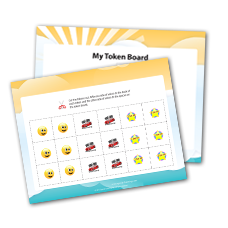
Consistent reinforcement is crucial for individuals with autism. ABA emphasizes positive reinforcement, reserving punishment as a last resort. Sticker charts, token systems, and contracts are effective reinforcement strategies. Knowing when they can access preferred toys or activities reduces anxiety and rigidity. Understanding and implementing their familiar reinforcement systems during examinations or tests can greatly enhance the comfort of everyone involved.
Example: a token board.
Modifying the Environment
Sometimes there are specific things that trigger anxiety or unexpected behaviors in individuals with autism. Knowing these triggers in advance will allow you to modify the environment prior to your patient’s appointment. Some common triggers are loud noises and extreme temperatures.
Resources:
AutismSpeaks.org
If you want to go further
The Intro to Autism Bundle: two recorded introductions and five resources
Intro to Autism Bundle
Two recorded introductions to autism and ABA with Sarah Winningham and Michele LaMarche, plus five digital resources on introductory concepts and asking for help, for parents, educators and professionals looking for an introduction.
$79 · 3 months' access
Not ready to buy? The starter guide is free.